7 Secrets of Kavala Tobacco Warehouses: The Imposing Industrial Mecca
Kavala remains one of the most charming destinations in Greece. However, the city owes its current form to the Kavala tobacco warehouses. These imposing buildings testify to the “golden age” of the industry.
Specifically, during the 19th century, Kavala transformed into a global hub. The city’s port played a decisive role in this growth. In addition, merchants chose the location for its direct access to international sea routes.
The 7 Secrets Behind the Global Success
Many wonder why the city was called the “Mecca of Tobacco.” The answer lies in hidden details regarding the Kavala tobacco warehouses:
- Strategic Positioning: Warehouses were built next to the port to minimize loading time onto ships.
- Natural Climate Control: Thick stone walls acted as natural air conditioning, maintaining a stable temperature for the delicate leaves.
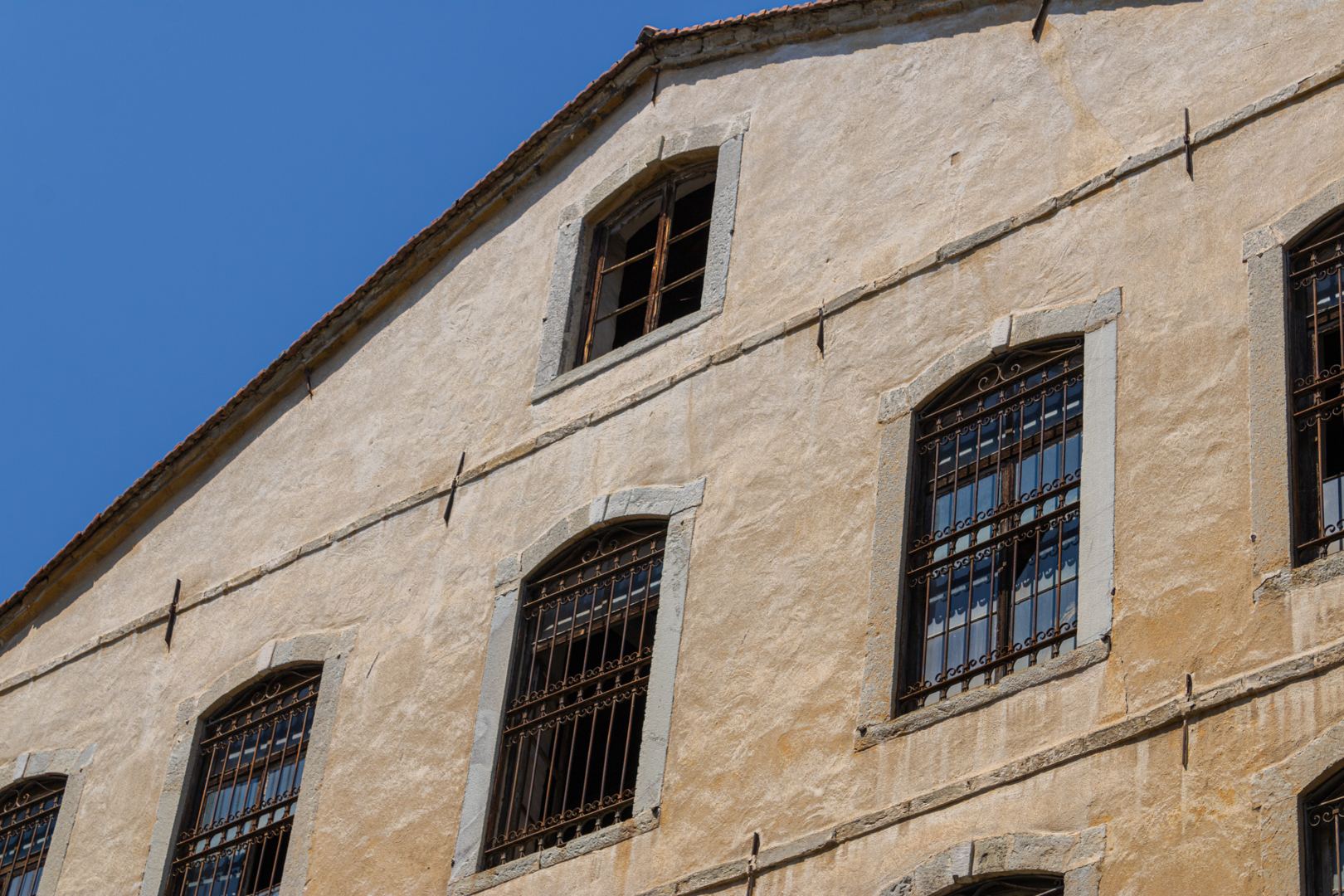
- Natural Lighting: The massive windows allowed workers to inspect the tobacco’s color under perfect natural light.
- Underground Drainage: Basements featured advanced systems to protect the “golden harvest” from sea humidity.
- Fire Safety: Due to tobacco’s flammability, these buildings had some of the earliest advanced fire protection systems.
- Social Power: These structures were the birthplace of the first powerful labor unions in Greece.
- Global Competition: The processing quality in Kavala tobacco warehouses was so high that the port rivaled Antwerp.
Architecture with an Industrial Identity
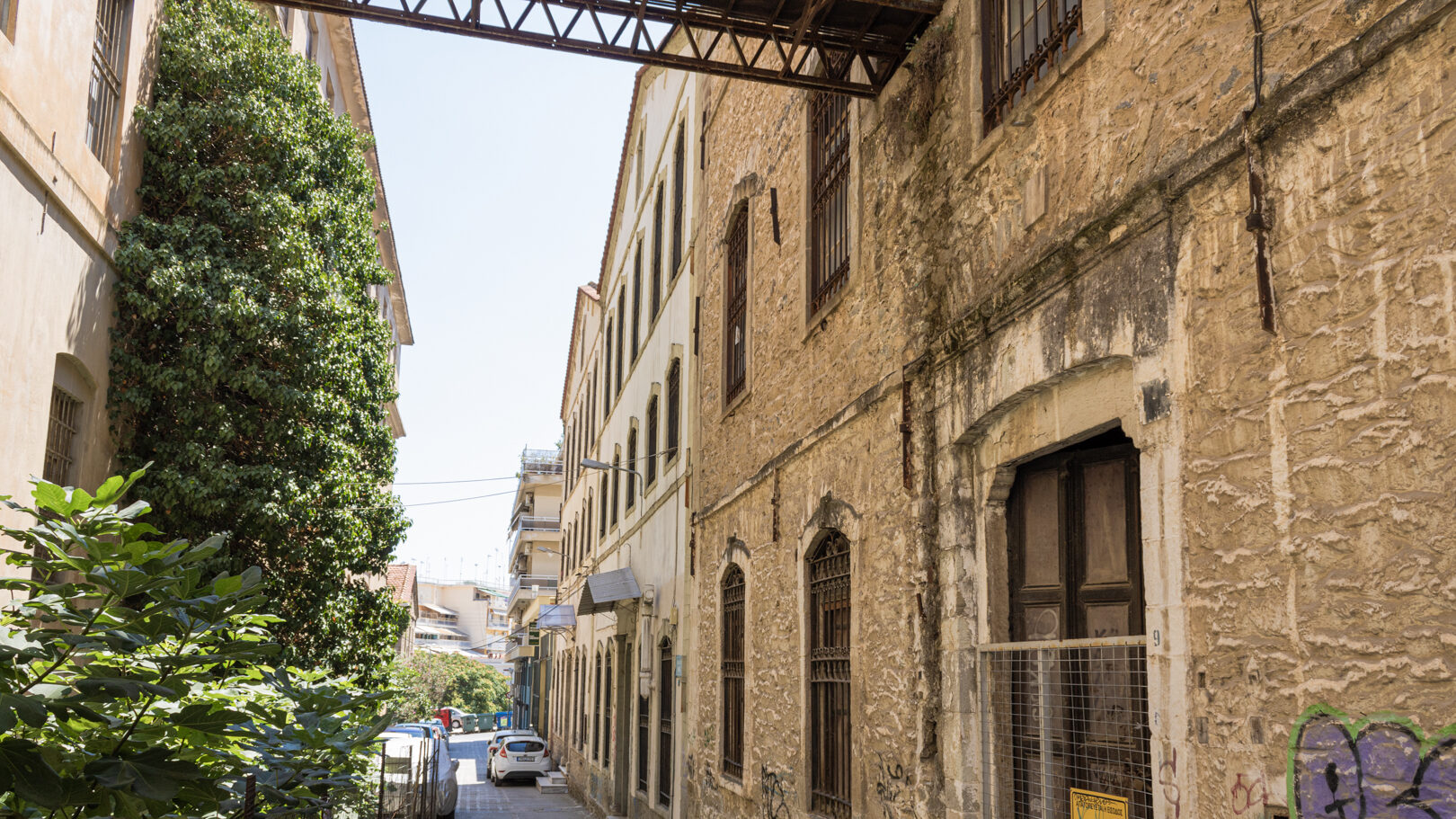
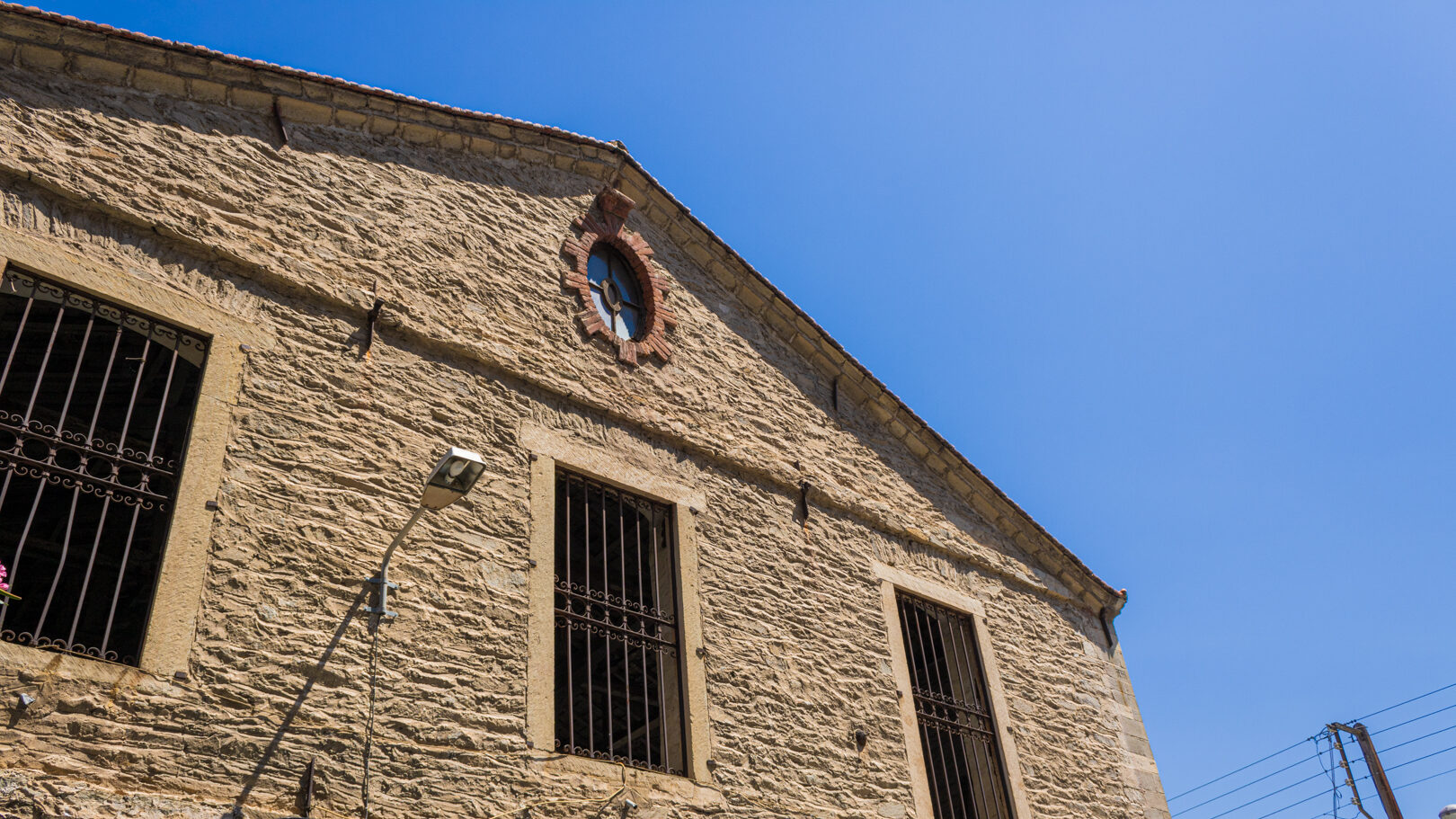
The Kavala tobacco warehouses stand out for their functional design. Architects primarily used stone and brick. Additionally, large windows ensured the necessary ventilation for the tobacco leaves.
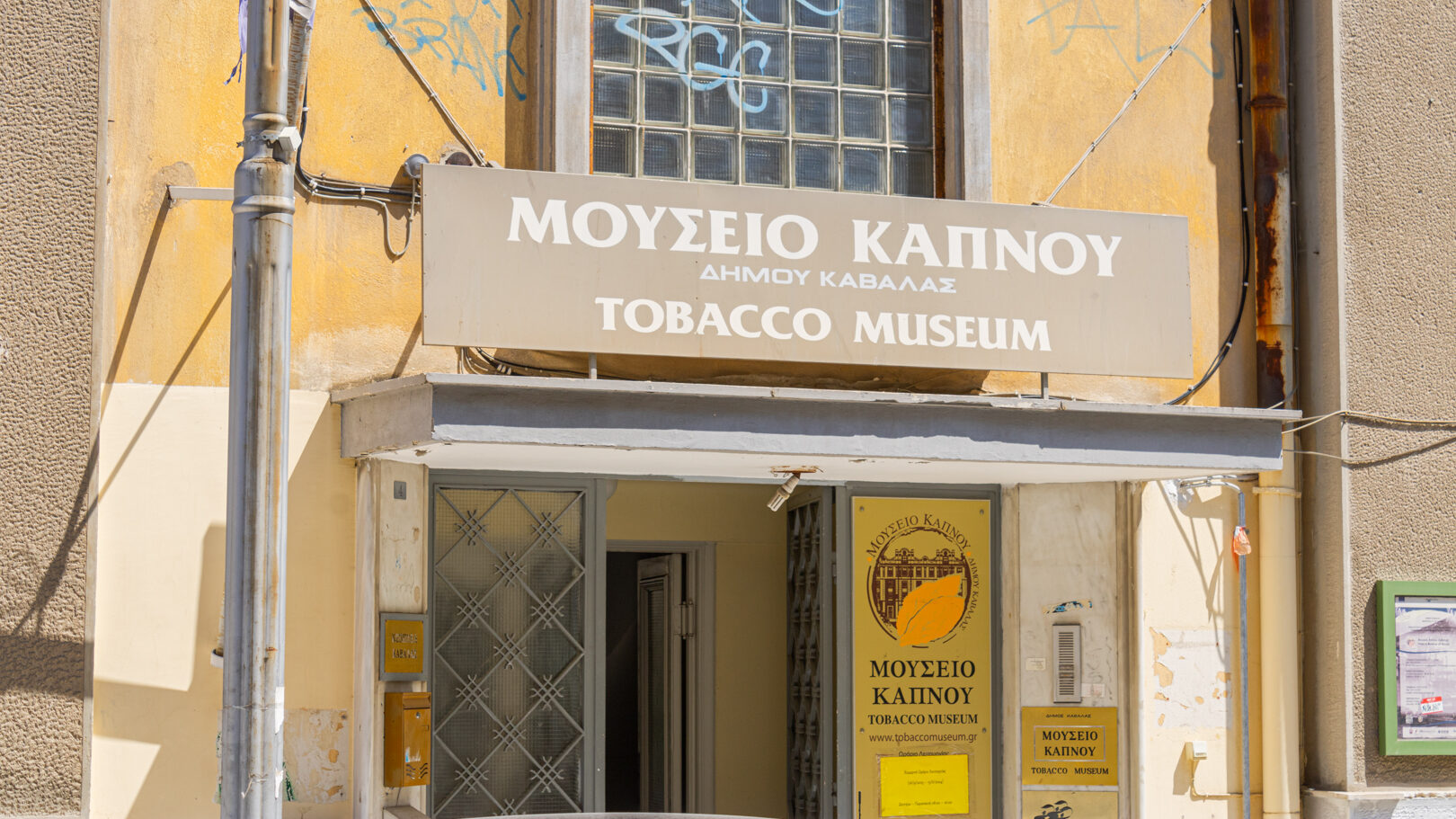
Today, these buildings host galleries and cultural venues. However, their heavy industrial aura remains intact. Visitors can admire the facades that reflect the economic power of the past.